In spite of their importance for sustainability, issues of equity, community engagement, and cultural meaning remain elusive concepts for oceans governance. My research in Samoa addresses this gap with a comparative analysis of two different approaches to coastal resource management. I draw on food sovereignty and common-pool resource frameworks for my analysis. I give particular attention to local and cross-scale dynamics in marine conservation and management programs, and the roles of traditional Indigenous governance systems, global conservation groups, and international development funding in shaping their institutions and decision-making processes.
In a new, open-access article in Human Ecology (2023), my coauthors and I examine how the concept of food sovereignty can foreground issues of cultural value and power in small-scale fisheries, and how this framework can benefit comanagement outcomes. We find that social and ecological resilience are supported by food sovereignty, as villages choose to participate in management planning and regulation when they retain some flexibility over no-take zones.
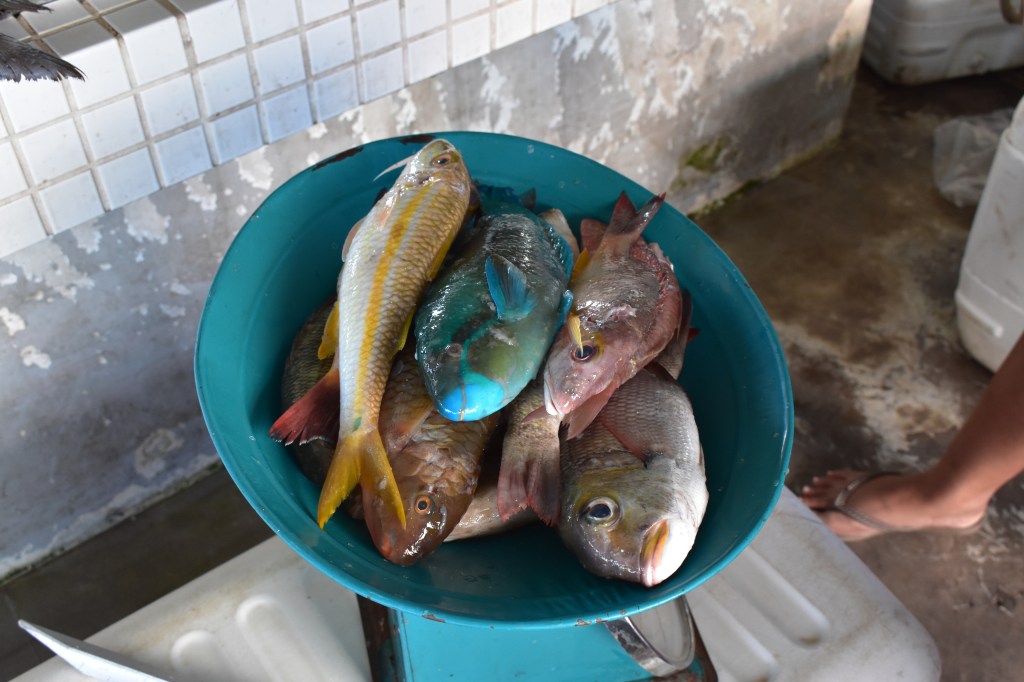
My first paper on this research, published in Sustainability (2018), demonstrates that while power-sharing and equity have become core principles of community-based marine and fisheries management efforts, definitions are vague and disconnected from practice.
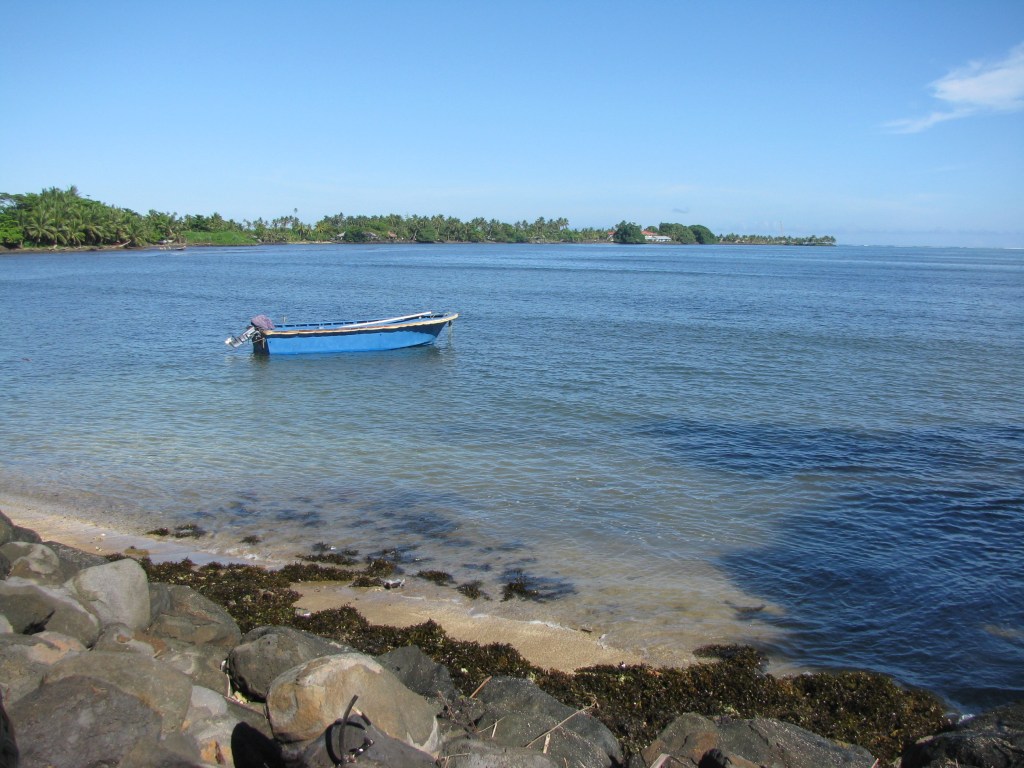
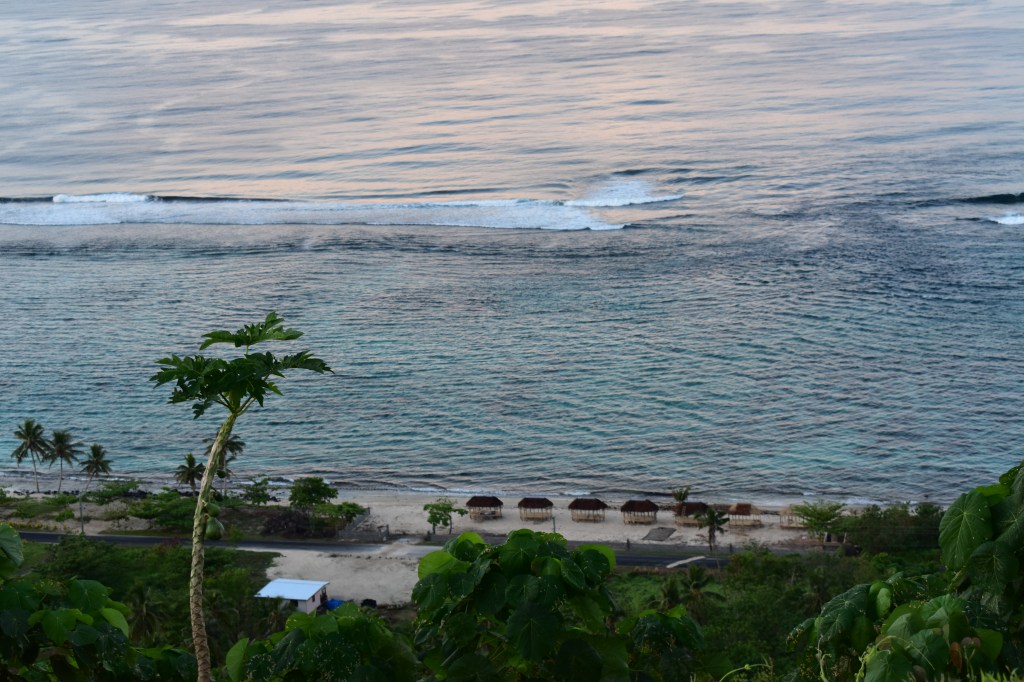
My 2021 article in Regional Environmental Change compares how indigenous governance systems, colonial legacies, and cross-scale power relationships inform adaptive capacity in Samoan Marine Protected Areas and village-based co-management. This analysis of institutional histories, structures, and program outcomes demonstrates that colonial legacies pose obstacles for successful hybridized governance in the Pacific, while also confirming the valuable contributions integrated traditional institutions can make to improving adaptive capacity. With assistance from Samoan colleagues and undergraduate student researchers, I conducted fieldwork in communities on the southeast coast of Upolu, where both Marine Protected Areas (MPAs) and Community-based management have been implemented. In 2018, I collected and analyzed qualitative and quantitative data from interviews, observations, and 440 household surveys. Future analysis of will explore community perceptions of the costs and benefits of coastal management outcomes and decision-making processes.
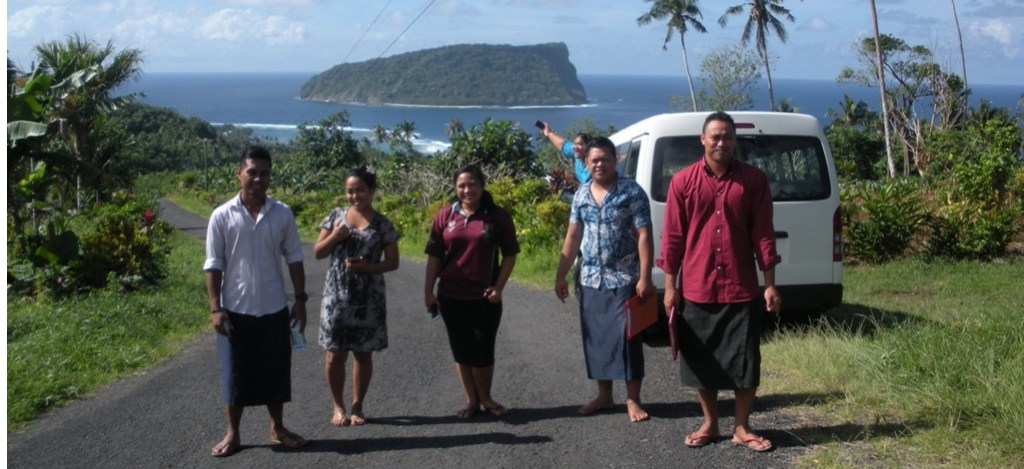
I wish to thank the communities, village leaders, and staff members from MNRE and Fisheries Division who generously shared their time and insights. I am also grateful to the Centre for Samoan Studies and Faculty of Science at the National University of Samoa for their support, and the undergraduate researchers who assisted with this study. Fa’afetai tele lava!
 Barbara Quimby, PhD