
Water for Agriculture is a USDA-funded research project investigating the behavioral and management practice changes that occur when stakeholders are engaged in the process of addressing water quality and quantity issues related to agriculture. The project takes place across different landscapes and social-political contexts, including Pennsylvania, Nebraska, and Arizona.
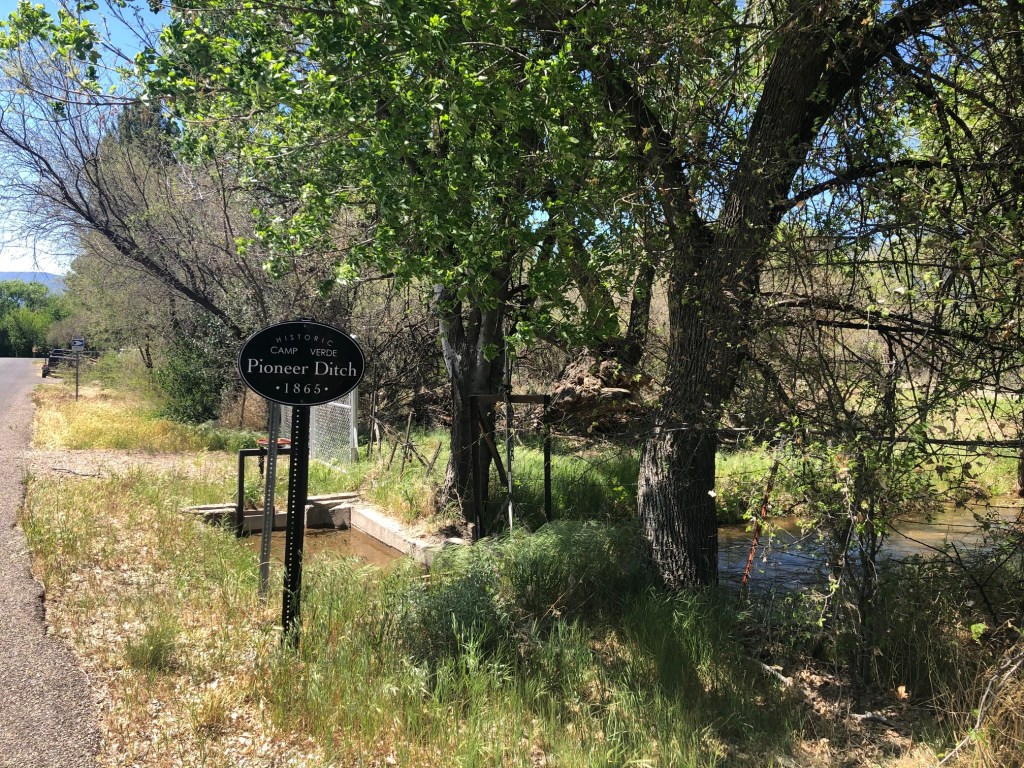
As a Postdoctoral Research Scholar at the Kyl Center for Water Policy at Arizona State University, I have been engaged with Water for Agriculture’s work in the Verde Valley of Arizona as a social scientist and engagement specialist since early 2020. The Verde River that runs through the valley is one of only two Wild and Scenic Rivers in Arizona, which feeds local agriculture before flowing into the Salt River, which supplies water for the greater Phoenix area. Agriculture has blossomed in the Verde Valley for centuries, starting with horticultural and irrigation practices established by the Yavapai and Apache peoples; but today the combined pressures of climate change, population growth and development, increasing use of groundwater extraction, and changing land uses present challenges to the river’s flow. Supporting the health of the river is essential for the sustainability of local economies, rare natural habitats and wildlife, and a valued way of life.
My research examines the process of stakeholder engagement and supports greater local involvement in creating cooperative strategies to address these complex practical challenges for food producers and their communities. Doing research about people’s behavior and perceptions in the time of COVID-19 has required extraordinary adaptability, especially by our participants. Most of our meetings taking place over Zoom and phone, yet this has also opened new opportunities for how rural stakeholders can participate.
Visit the Water for Agriculture website to learn more about this project.
 Barbara Quimby, PhD